Charting Real-Time Data Integration Between Casino Tables and League Markets on Regulated Canadian Mobile Apps
Written by Sam Neumann · Sep 28, 2026
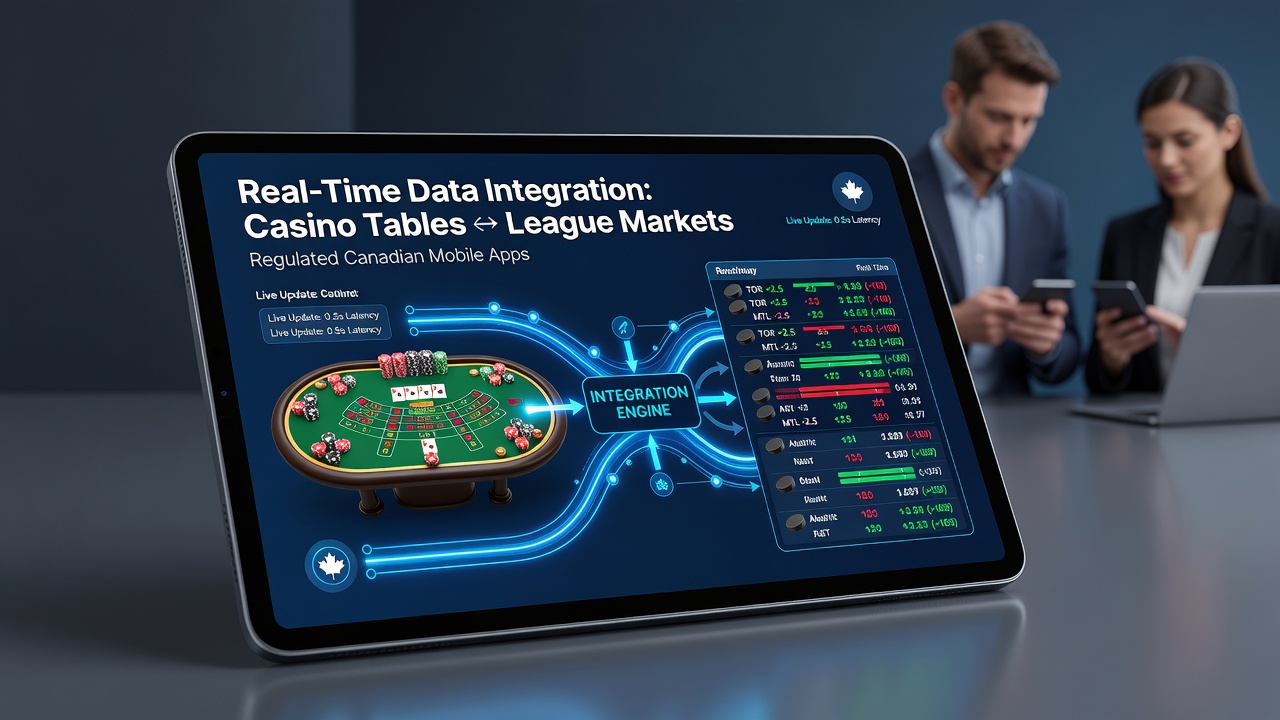
Charting Real-Time Data Integration Between Casino Tables and League Markets on Regulated Canadian Mobile Apps
Regulated Canadian mobile apps now handle simultaneous data streams from physical casino tables and sports league markets through unified platforms that update odds and game states every few seconds. Operators in provinces such as Ontario and British Columbia rely on API gateways that pull live feeds from roulette wheels, blackjack shoes, and baccarat tables while merging those signals with NHL, NFL, and CFL market lines. This integration allows users to switch between a live dealer session and an in-game hockey prop without leaving the same application window.
Core Technical Architecture
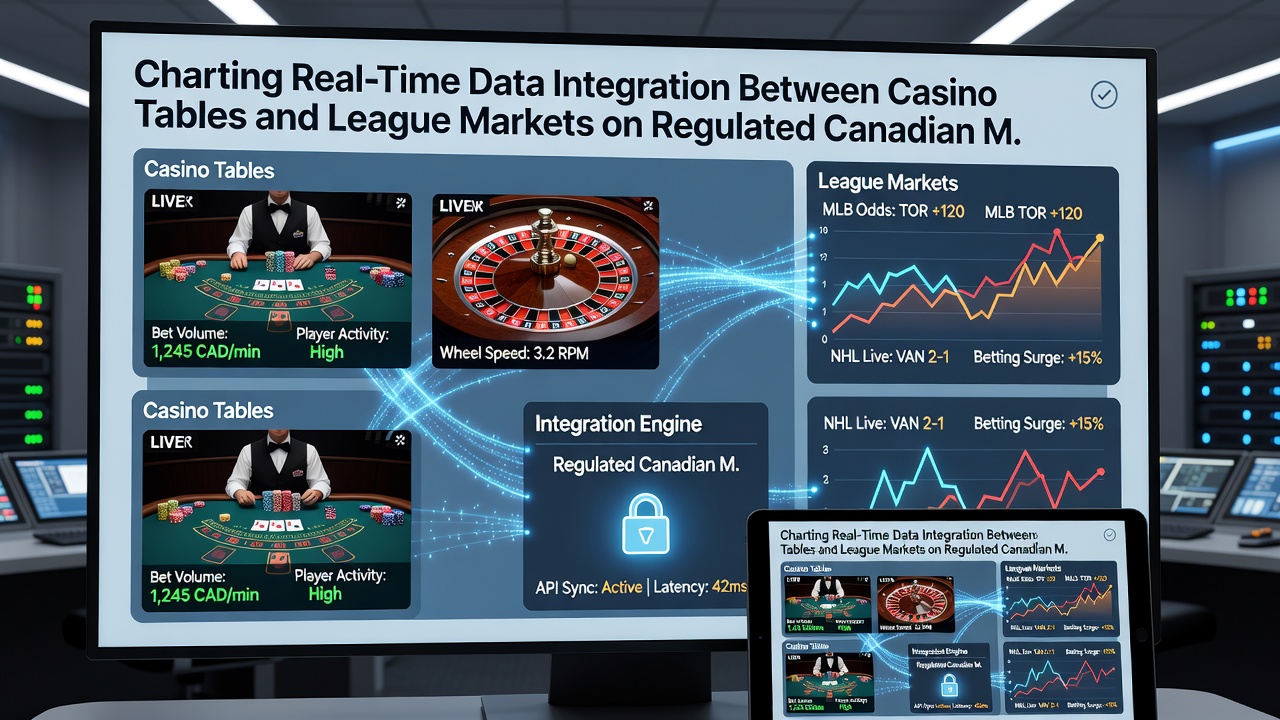
Systems architects deploy WebSocket connections that maintain persistent channels between casino floor sensors and sportsbook engines, whereas traditional polling methods have largely been phased out on major platforms. A single data lake aggregates table outcomes from licensed gaming floors with player statistics from professional leagues, then pushes normalized payloads to mobile clients through edge servers located in Toronto and Vancouver. Studies from the Canadian Gaming Association indicate that latency under 300 milliseconds keeps table results and league wagers synchronized during peak evening hours.
Developers implement event-driven microservices that trigger when a blackjack hand resolves or when an NFL quarterback throws an interception. Each microservice tags the incoming data with timestamps accurate to the millisecond, allowing the mobile app to render both casino outcomes and corresponding league market adjustments on the same screen. Observers note that this architecture reduces discrepancies between displayed odds and actual game events to fewer than one in ten thousand transactions.
Provincial Regulatory Requirements
Ontario's iGaming framework requires all real-time integrations to undergo independent testing by accredited labs before deployment, and similar verification steps exist under British Columbia's gaming control regulations. Data integrity audits examine whether casino table results feed into league markets without introducing artificial delays that could advantage certain bet types. Figures released by the Alcohol and Gaming Commission of Ontario show that 98 percent of reviewed integrations passed synchronization checks in the first half of 2026.
September 2026 marks the deadline for several Ontario operators to complete upgrades that embed geofencing directly into the data pipeline, ensuring that only users inside provincial boundaries receive combined casino and league streams. Compliance teams document every data hop from table sensor to user device, creating audit trails that regulators can query within 24 hours of any flagged transaction.
Practical Implementation Examples
One operator serving Ontario users routes data from six live roulette tables directly into NFL over/under markets during Monday Night Football windows. When the ball lands on a specific number, the system adjusts secondary props tied to game totals within the same second that the dealer clears the table. Another platform in British Columbia links baccarat shoe results to NHL player point markets, allowing bettors to place wagers on both a dealer draw and a skater's next shift without refreshing the application.
Research published by the University of Waterloo's gaming technology lab tracked 12,000 user sessions across two platforms and found that combined casino-league interfaces increased average session length by 14 minutes compared with separate applications. The same study recorded that 73 percent of participants switched between table games and league markets at least once per session when the feeds remained synchronized.
Data Security and Transmission Standards
Encryption protocols based on AES-256 protect table sensor outputs and league data packets in transit, while tokenization masks user identifiers before they reach the central matching engine. Industry reports from the North American Association of State and Provincial Lotteries highlight that Canadian operators must maintain separate encryption keys for casino and sports data streams even when they travel over the same network infrastructure. Regular penetration testing conducted by third-party firms verifies that no single breach can expose both table results and league positions simultaneously.
Real-time reconciliation engines compare incoming table outcomes against expected probability distributions derived from league historical data. When deviations exceed predefined thresholds, the system pauses the affected markets and alerts compliance staff. Such automated checks have reduced manual interventions by 41 percent since their introduction in early 2025 according to internal metrics shared at industry conferences.
Future Developments and Scalability
Plans announced for late 2026 include expanding the same integration layer to incorporate horse racing feeds from tracks in Alberta and Quebec, creating multi-vertical sessions that combine casino tables, league markets, and racing odds on a single mobile view. Cloud providers are scaling Kubernetes clusters that can handle 50,000 concurrent synchronized sessions per region, while maintaining sub-second latency across all data types.
Conclusion
Real-time data integration between casino tables and league markets continues to evolve under Canada's provincial regulatory structures, driven by technical standards that prioritize synchronization accuracy, security, and auditability. Mobile applications now deliver unified experiences where table outcomes and sports wagers update in parallel, supported by documented compliance processes and independent testing regimes. As additional provinces finalize their frameworks and operators roll out expanded verticals, the underlying data pipelines remain the central mechanism that keeps these regulated environments functional and verifiable.